Paper Quest
二次人生永恒不再GoodbyeEtern
安香友情线、斋藤线调整与好坏结局分支整理
新手开局中文设置安香友情线斋藤线调整存档导入导出Joiplay运行多结局攻略
 二次人生永恒不再GoodbyeEtern
Paper Quest
安香友情线、斋藤线调整与好坏结局分支整理
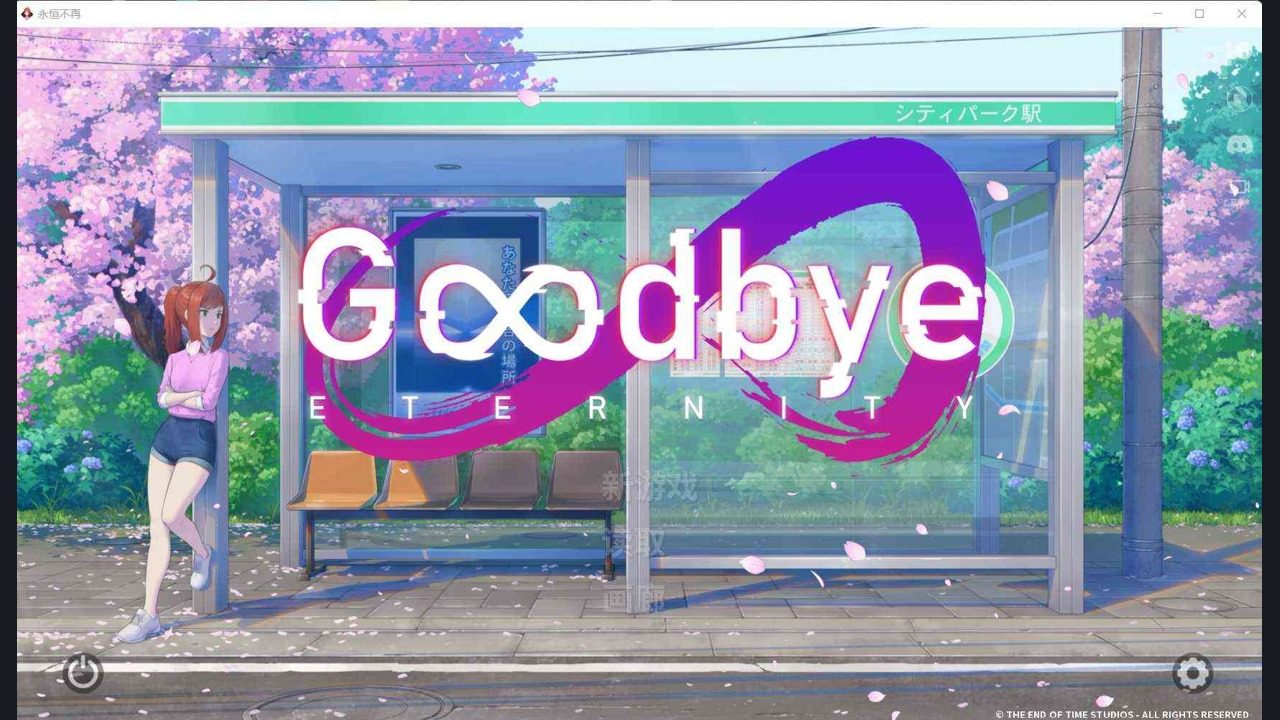
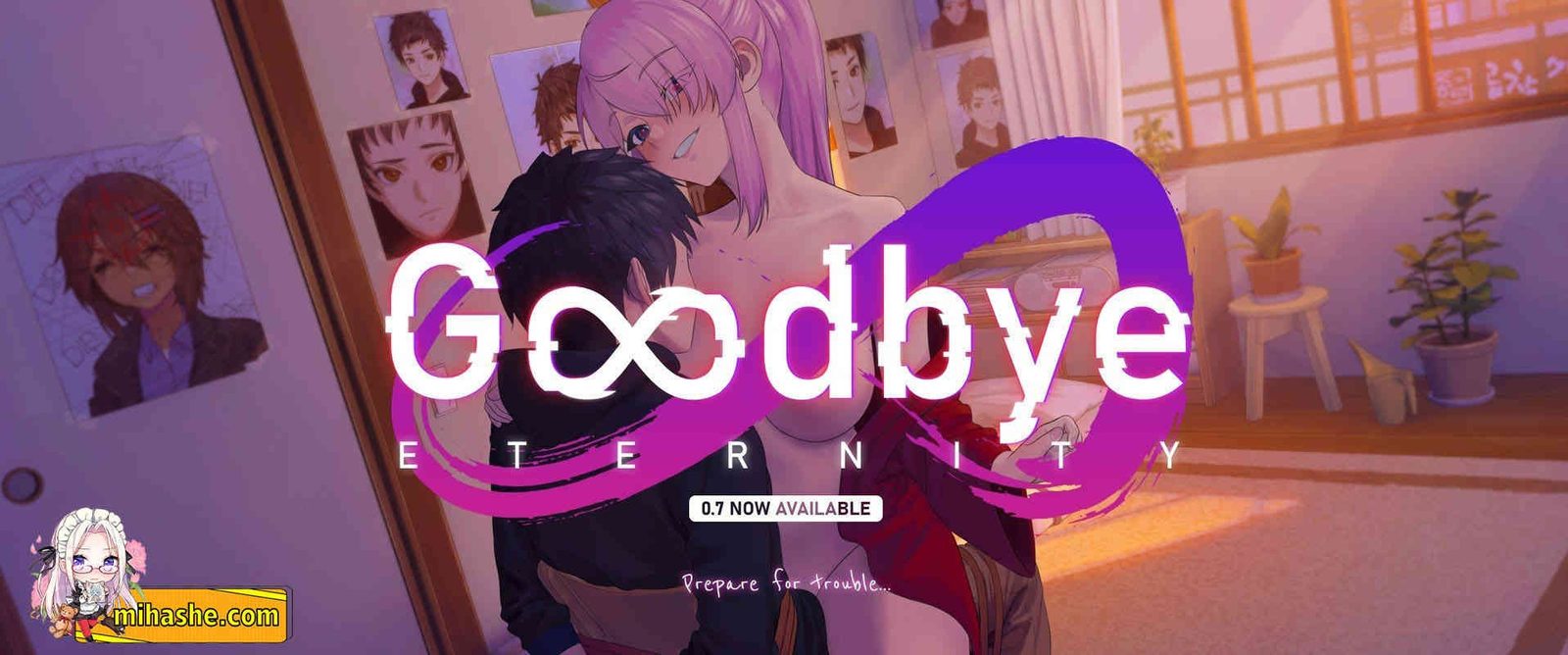
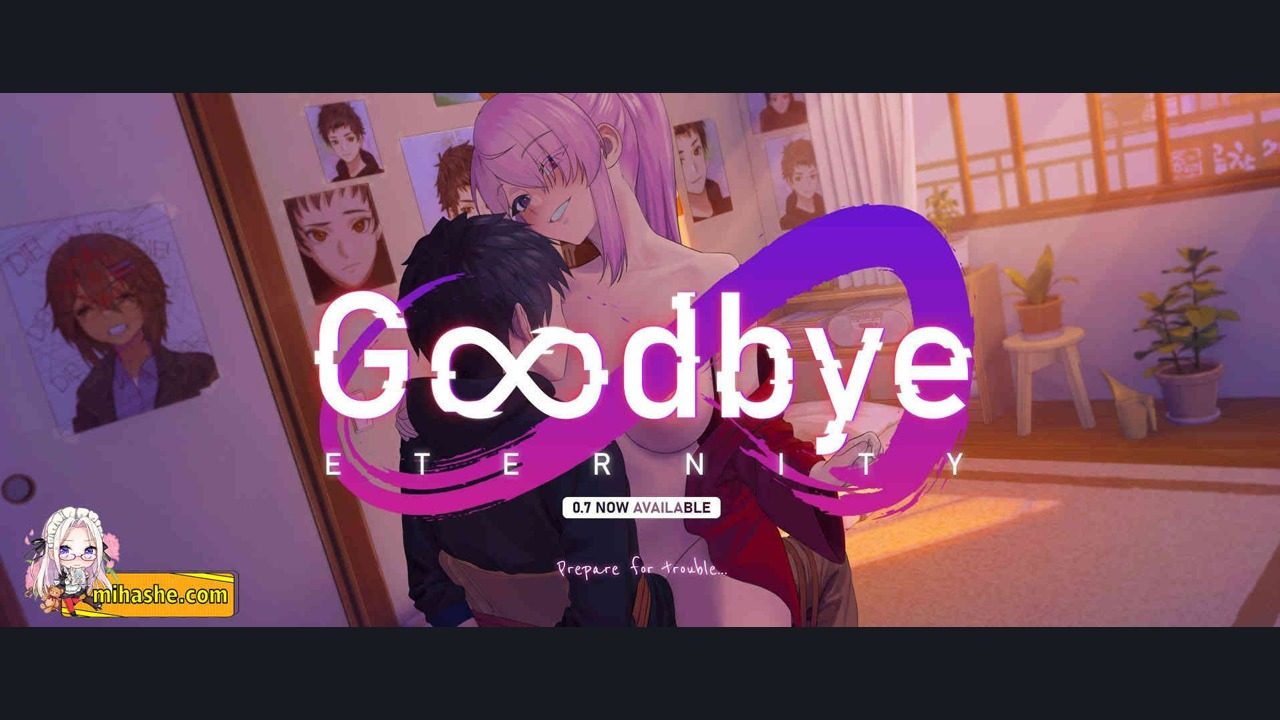
《二次人生永恒不再GoodbyeEtern》又名《Goodbye Eternity》,是一款围绕“重来一次的人生”展开的SLG/视觉小说作品。主角在多年之后以年轻时的身体重新醒来,再次面对曾经错过的人、未解决的关系以及一连串必须重新做出的选择。游戏体验的重点不只是剧情推进,更在于你如何理解人物状态,并在不同分支里承担选择带来的后果。
目前版本的看点集中在路线变化与系统优化上。安香新增友情线路,并包含不同走向的好结局和坏结局,让玩家在角色互动中能更清楚地感受到分支差异;斋藤线则进行了方向调整,部分旧版攻略中的恋爱判断在新版本下未必仍然适用。除此之外,游戏还加入了背景立绘、服装内容以及存档导出导入功能,方便跨设备保存进度。
如果准备游玩中文版,建议先进入设置页面下载语言包,再开始正式推线。新版还升级到新的Godot引擎,针对部分移动设备的兼容性和字体显示问题进行了修复,因此无论是想体验剧情分支,还是查找中文设置、Joiplay运行与存档管理方法,这一作都更适合按当前版本重新理解路线。
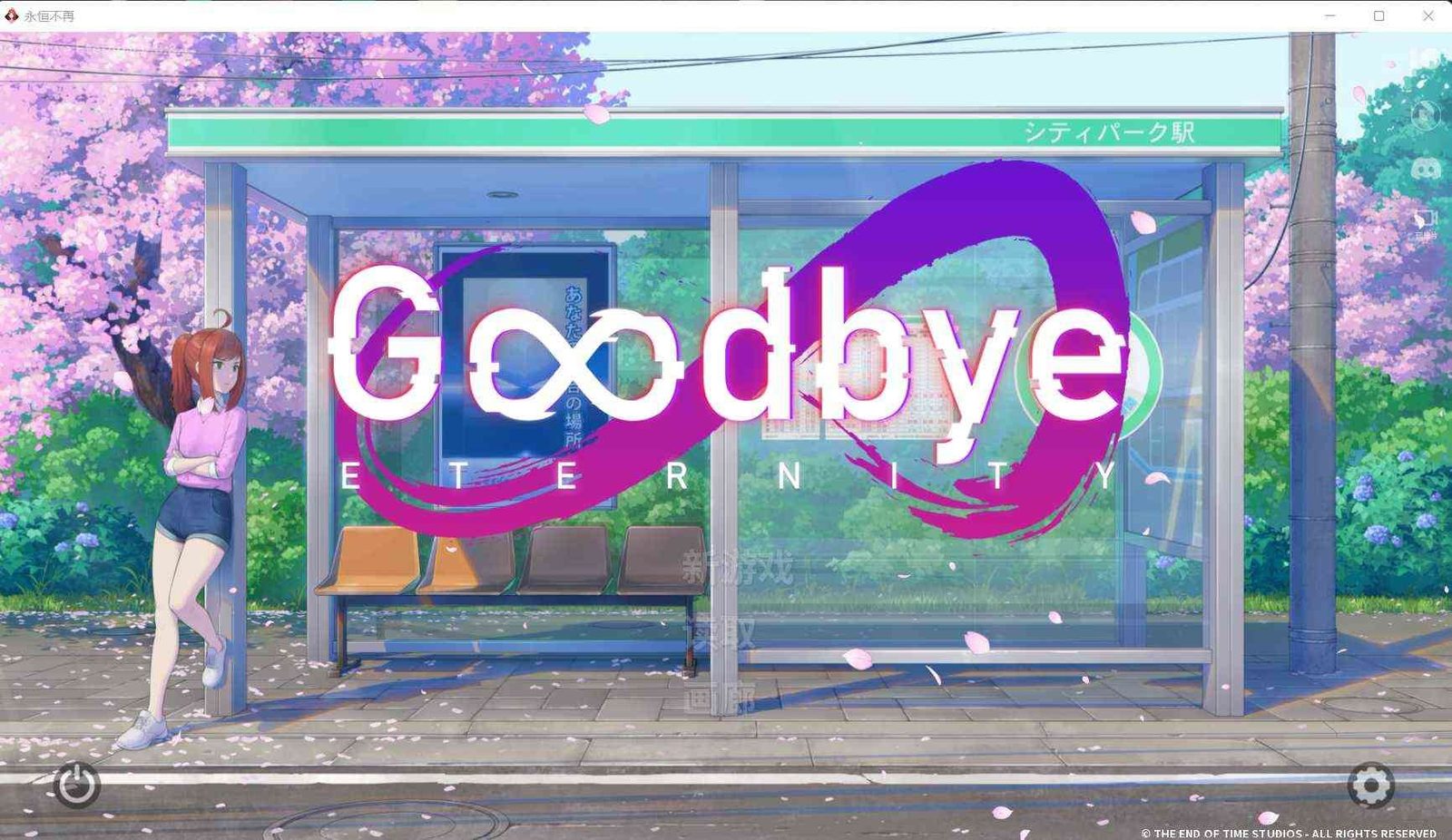
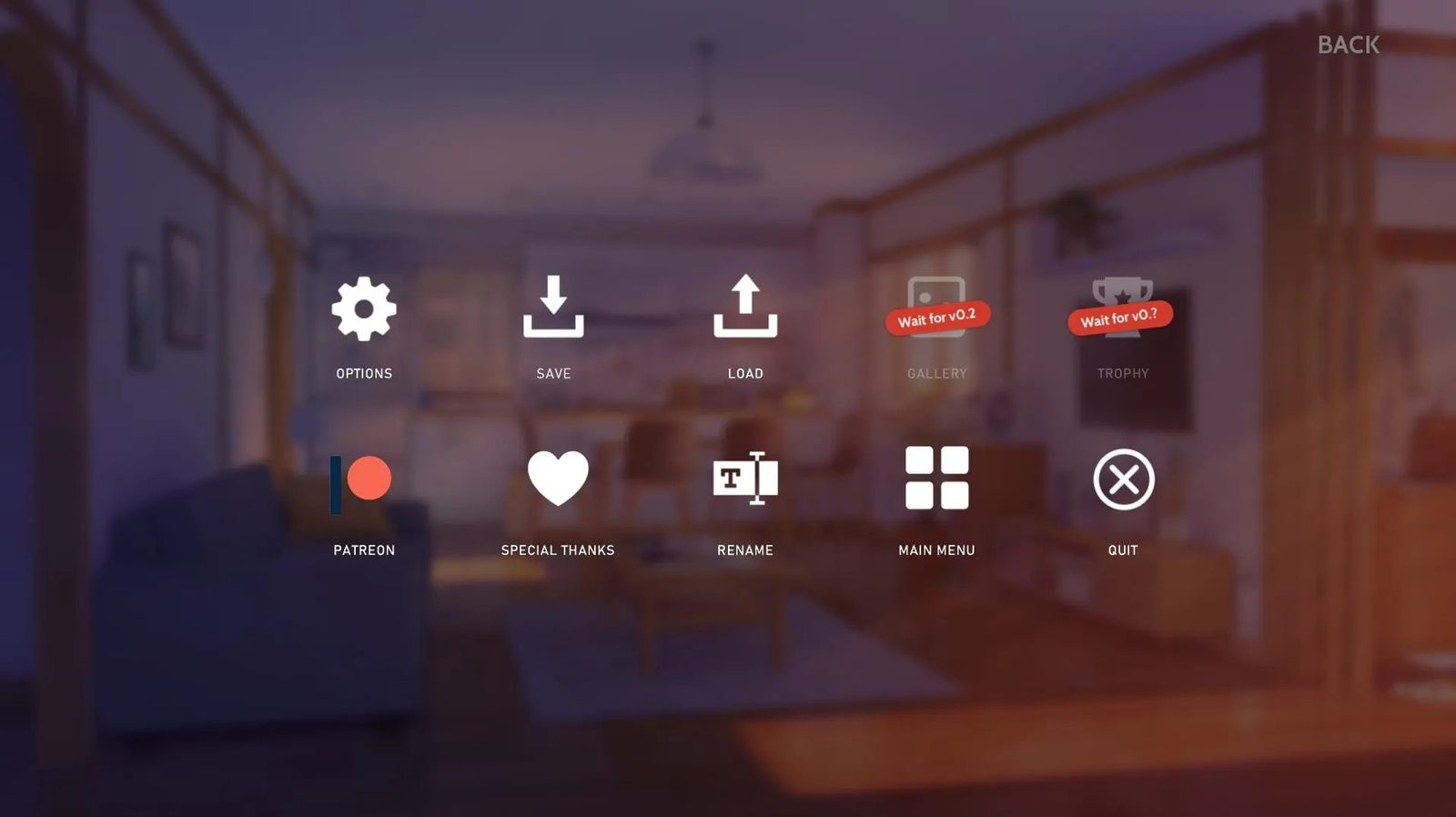
新手开局最重要的不是马上推进剧情,而是先把语言和运行环境确认好。进入游戏后先打开设置,在右上角找到 download,等待语言列表刷新出 Chinese 选项后再安装。安装完成后返回设置检查中文是否生效,如果仍显示英文,可以退出游戏重新进入一次。新版启动时恢复英文通常是为了提醒玩家检查翻译更新,不代表汉化失效,也不需要急着删档重装。
移动端玩家建议先先做一次基础测试,再决定是否正式开档。安卓端可尝试用 Joiplay 运行,但在长时间推进前,最好先确认启动、存档、读取以及切换设置菜单是否都稳定。旧安卓系统,尤其是 Android 9 及以下,对新版存档导入导出支持有限,所以如果你打算跨设备游玩,先确认系统兼容性,避免把功能限制误当成游戏故障。
剧情方面,新版最值得留意的是安香友情线与斋藤线的改动。安香现在有了独立的友情路线,并分别对应好结局和坏结局,比较适合新手拿来熟悉版本分支;而斋藤线的调整也会直接影响安香相关的恋爱选项,所以不少旧攻略可能只适用于旧版本。实际游玩时,只要遇到安香、斋藤或关系转折相关事件,最好提前单独留档,避免走偏后再回头补救。
更稳妥的开局方式,是把流程分成三步:先处理中文设置,再测试存档导出导入,最后进入安香线相关内容。这样能把“语言问题、系统问题、路线问题”分开排查。尤其是这作分支较多,很多结果不只取决于单次选项,还会受前置事件、角色关系和路线走向影响,所以每到关键对话或节点前存档,基本可以算是必备习惯。
存档导出导入是这一版本非常实用的功能。它不仅会保留普通存档,还会一起打包偏好设置和已解锁内容,通常以 zip 文件形式导出。建议在进入重要路线前、安香线关键分歧前、结局前各保留一份,并按日期或角色名备注,后续无论是换设备、回滚路线,还是测试好坏结局,都会方便很多。导入前也最好备份原有进度,避免覆盖已经推进较远的存档。
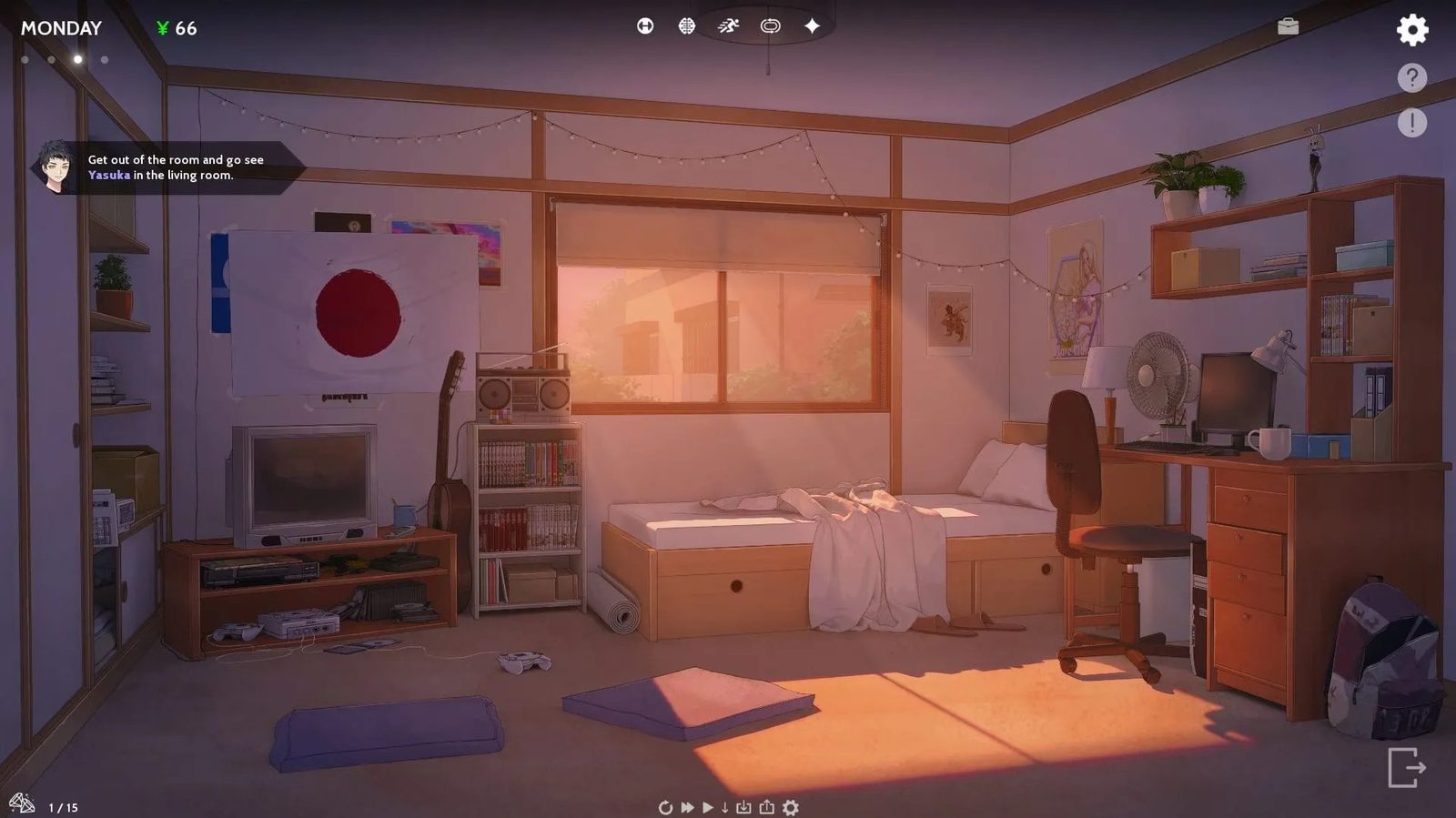
如果遇到运行异常,排查顺序可以尽量简单:先确认语言包是否完整安装,再检查当前存档是否来自同一版本,最后再看设备兼容性。新版 Godot 引擎重点优化了部分手机,尤其是以往在第二次启动时容易崩溃的 PowerVR 设备;如果问题仍然存在,可以尝试清理缓存、重启游戏,或重新安装后再导入备份存档。整体来看,这作更适合一边体验剧情一边做好路线管理,只要存档习惯跟上,新手也能较顺利地摸清各条分支的节奏。
新增安香友情线路,包含一个好结局和一个坏结局。
v新版 新增两张背景立绘、一套安香服装,以及一个仅限坏结局使用的皮肤
v新版 调整斋藤路线方向,角色决定专注偿还父亲债务,并关闭与安香的恋爱选项
新增存档导出/导入功能,可将存档、偏好设置和已解锁内容打包为 zip 文件。
v新版 存档导入导出功能不支持网页版,也不支持 Android 9 及以下系统
新版 Android 端导入导出改为使用 Storage Access Framework,不再需要额外存储权限